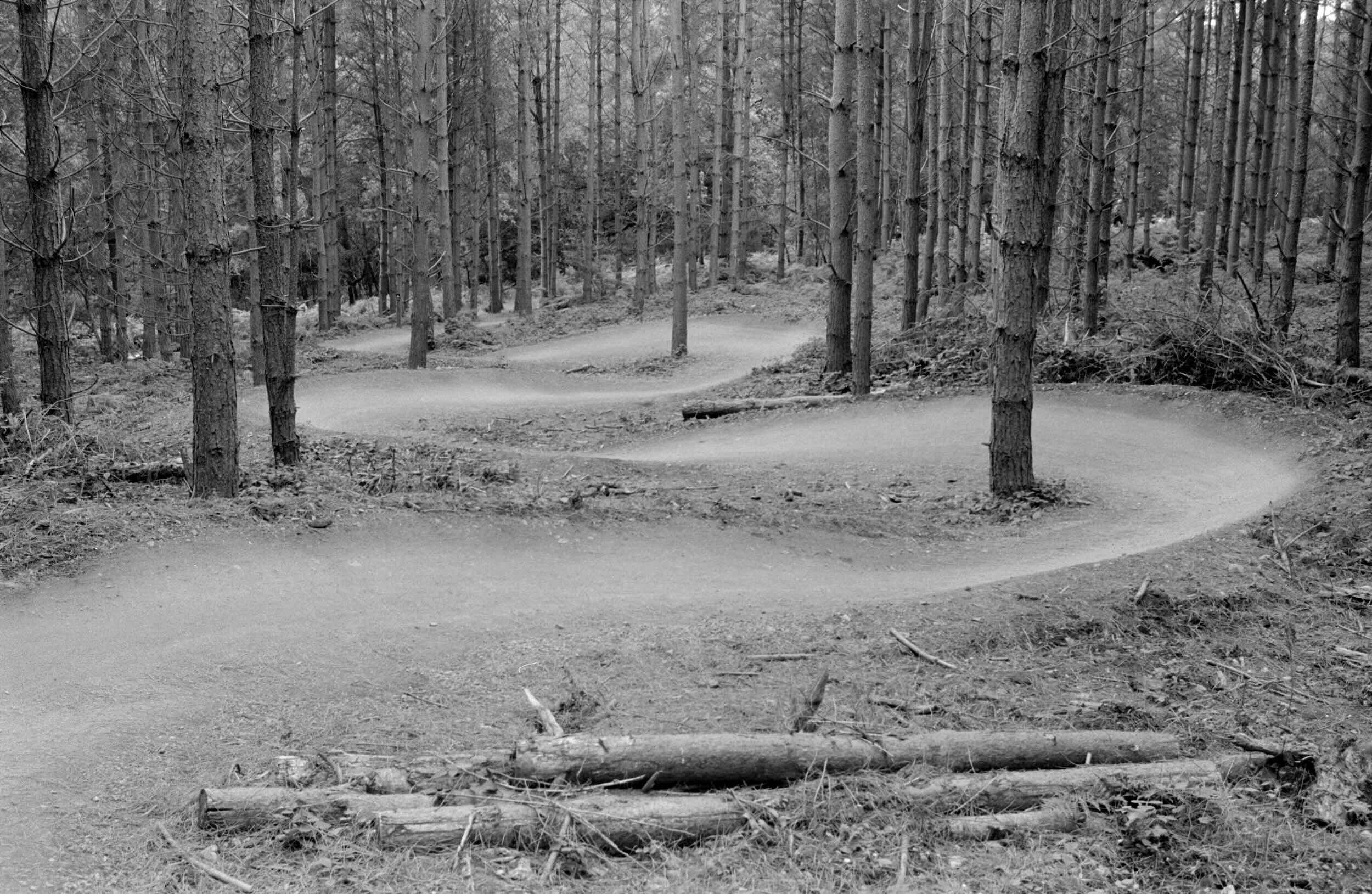
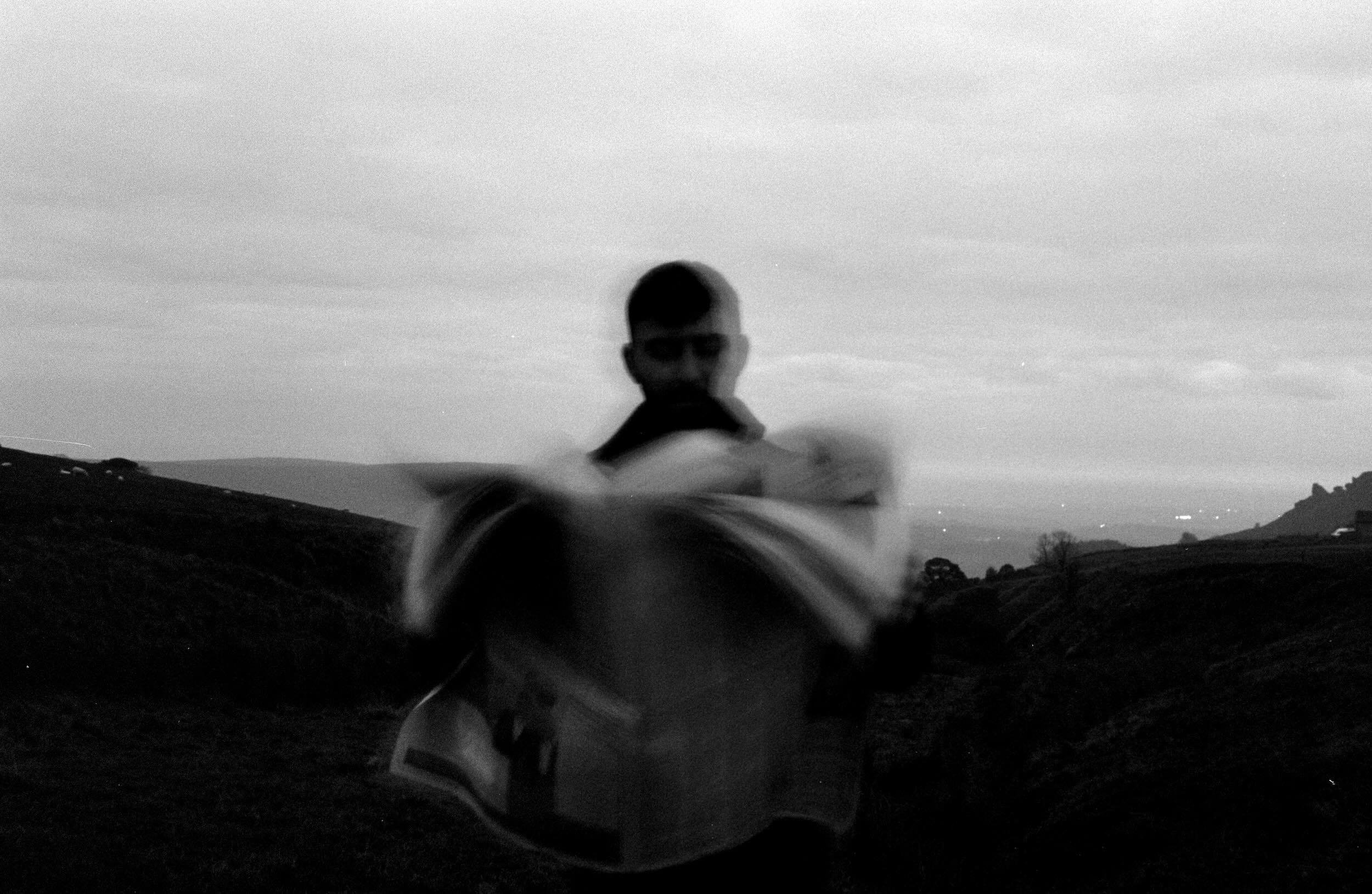
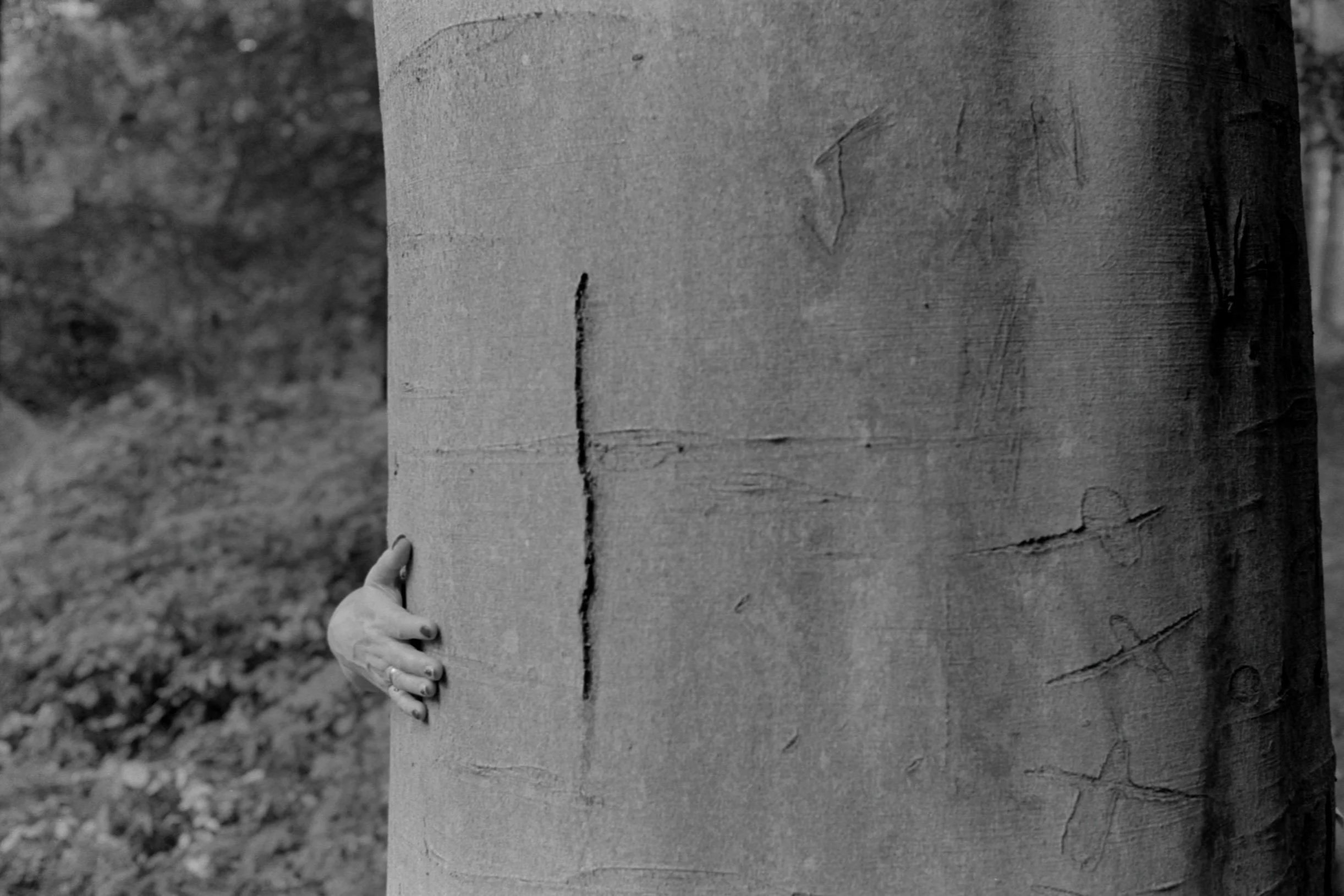
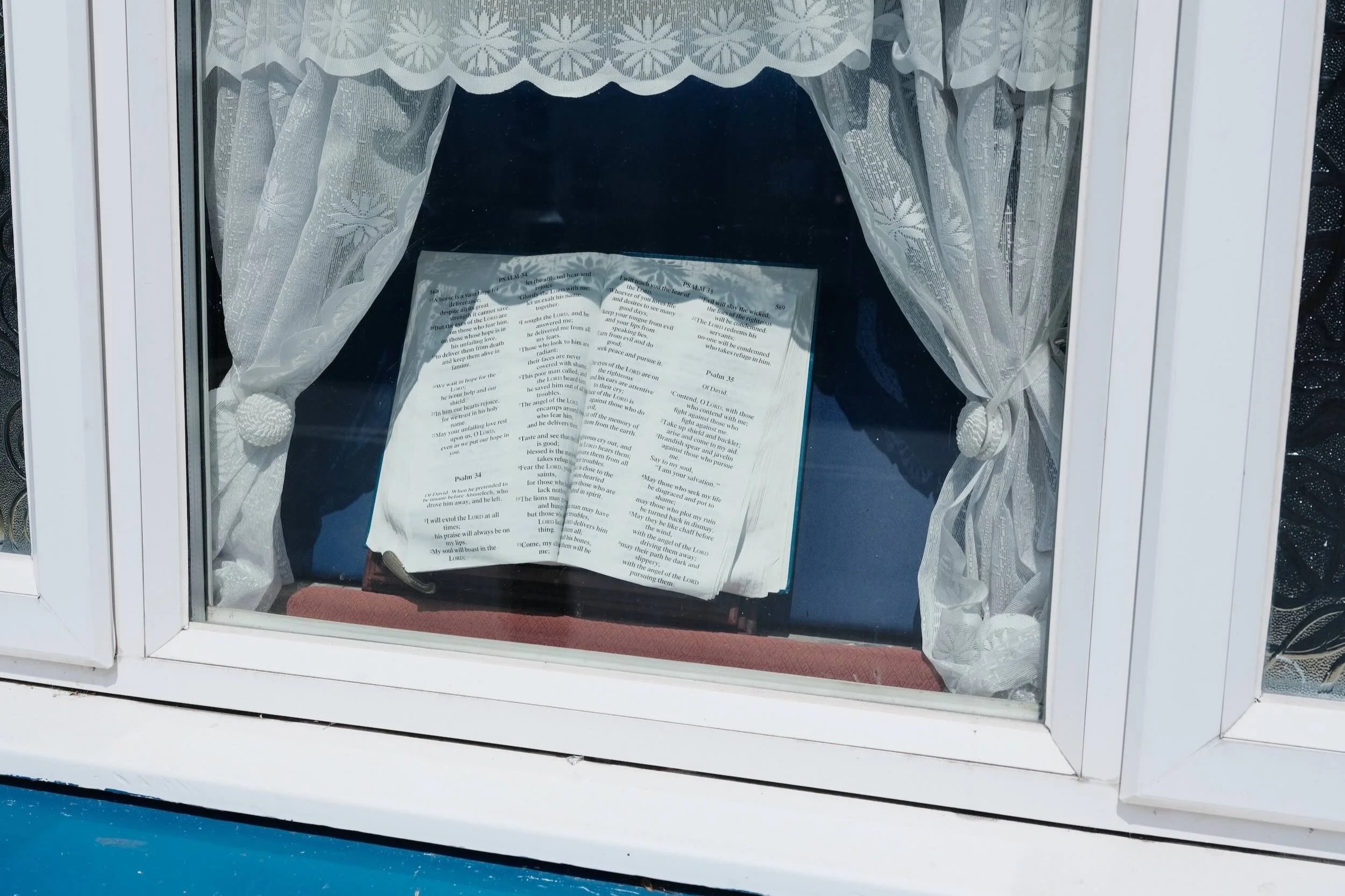
Who is the third who walks always beside you? When I count, there are only you and I together But when I look ahead up the white road There is always another one walking beside you Gliding wrapt in a brown mantle, hooded I do not know whether a man or a woman —But who is that on the other side of you?
T.S. Eliot, "What the Thunder Said” from “The Waste Land”
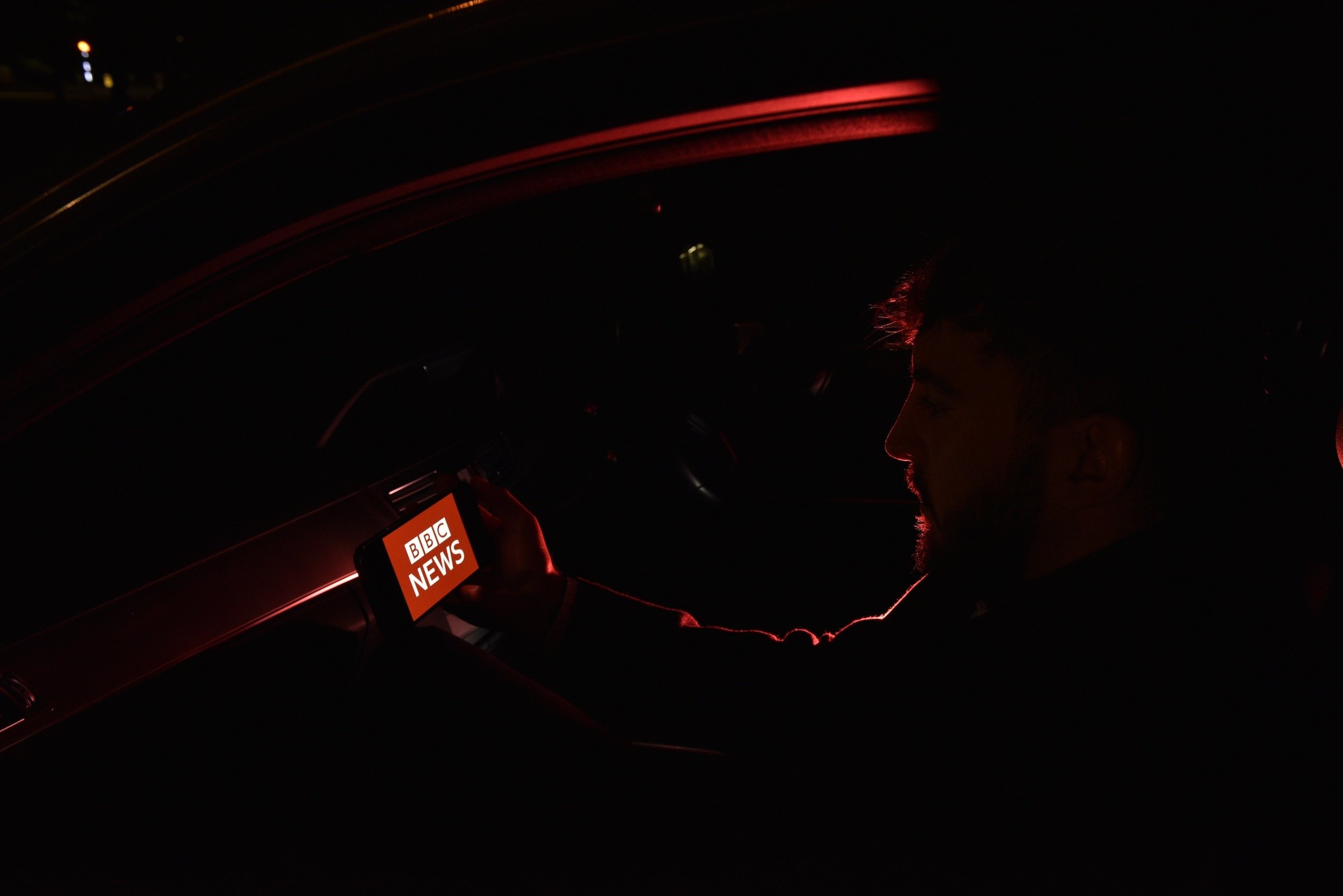
In 1976, two American scholars, Sandra Ball-Rokeach and Melvin DeFleur, proposed media dependency theory: an account of why people depend on the media to make sense of events they cannot otherwise understand. According to the theory, that dependence grows during a crisis or any sudden collapse of ordinary social life.
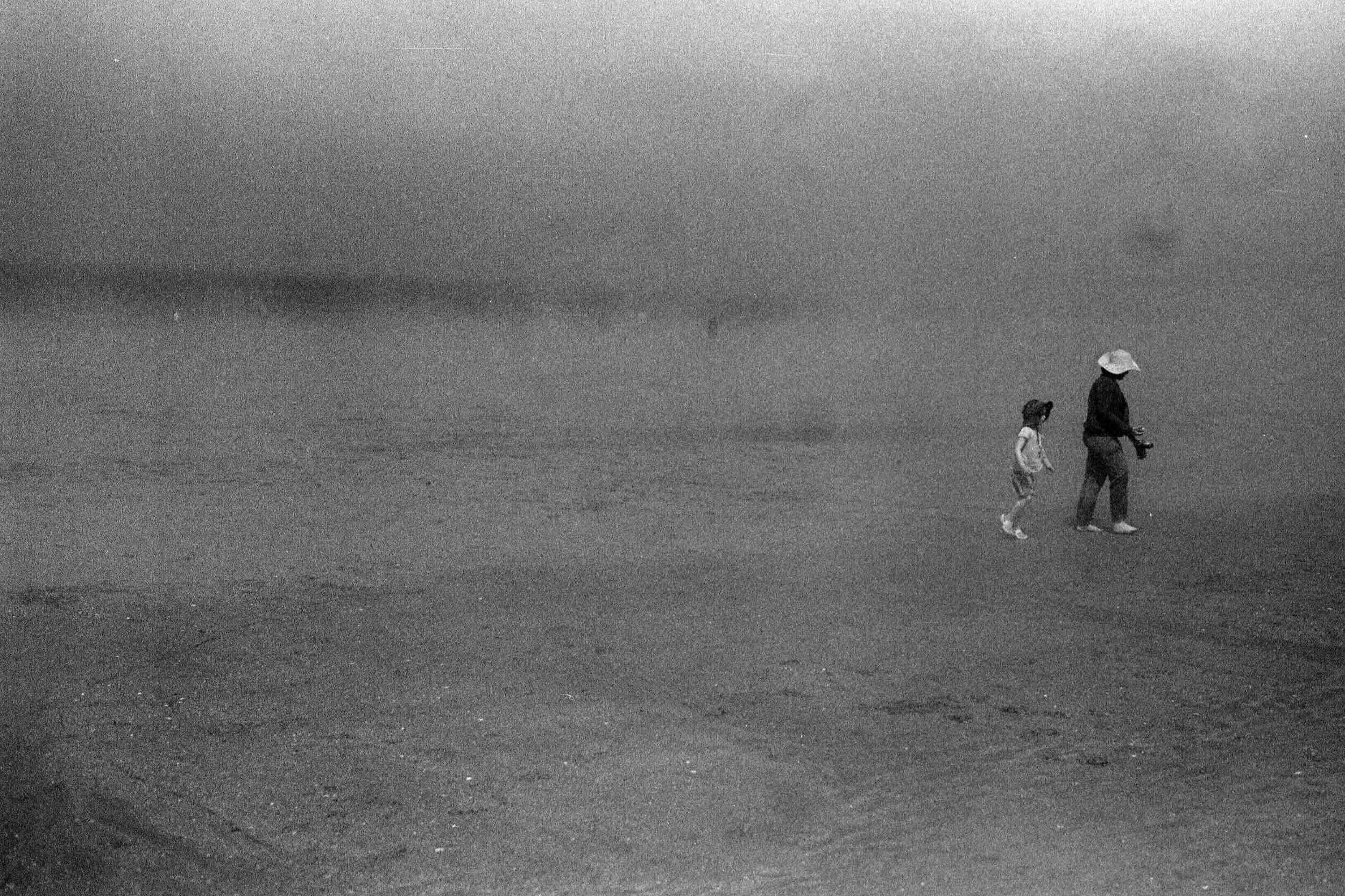
Eliot's travellers are on that road. There are two of them. Between themselves, they can count only each other. But somewhere ahead, half-seen, a third figure keeps pace. Is it there because the two of them, alone, are not enough to get through what they are walking through?