We, refugees, have lost our mother tongue, which means the naturalness of reactions, the simplicity of gestures, the unaffected expression of feelings.
H. Arendt
When moving permanently outside one's fatherland, the need to grasp the basics of a new language soon becomes a necessity. Depending on one's willingness and ability to learn, one may settle for a functional vocabulary, just enough to be conversational. But the lesser the knowledge of the local language, the greater the cultural ignorance. Tension, isolation, and frustration all lurk on the horizon. How deep can a connection with others really go, when it's built on so few words?
There are many legitimate reasons for settling at this basic level — unfamiliar grammar, fear of embarrassment, and the sheer effort a new tongue demands. But there's also the comfort of being surrounded by those who speak one's mother tongue, choosing the path of least resistance over the discomfort of struggling daily in an unfamiliar one. It quietly removes the need to learn the local language. It is entirely possible to spend decades in a country and still speak its language poorly, not because the opportunity was ever absent, but because it was rarely necessary.
And yet, even for those who go further, who commit fully and reach real fluency, something else seems to remain out of reach. "We refugees have lost our mother tongue, which means the naturalness of reactions, the simplicity of gestures, the unaffected expression of feelings," says Hannah Arendt. Many migrants will readily agree with this observation. And no doubt, language is an integral part of our lives, and migrants are reminded of this daily. Because the words are Arendt's — an extraordinary mind, a German-born Jewish political theorist and native German speaker who, after fleeing Nazi Germany, went on to write most of her books and essays in English — they carry particular weight. If someone with that command of language, that discipline of thought, still felt the inadequacy she describes, then choosing the path of least resistance alone cannot explain it. Which leaves me wondering: what if the sky is the limit? Suppose one is committed to excelling in a second language to a level never imagined possible in the mother tongue.
But mastery, or the lack of it, is rarely the whole story. Beneath every migration lies a reason, and the reason given is not always the reason carried. Migrants often reach for the convenient label of economic necessity to explain why they left. It is simple, tidy, and largely unchallengeable. But in a quiet conversation, other reasons tend to surface: a strained upbringing, a parent never quite reconciled with, a childhood that made leaving feel more like relief.
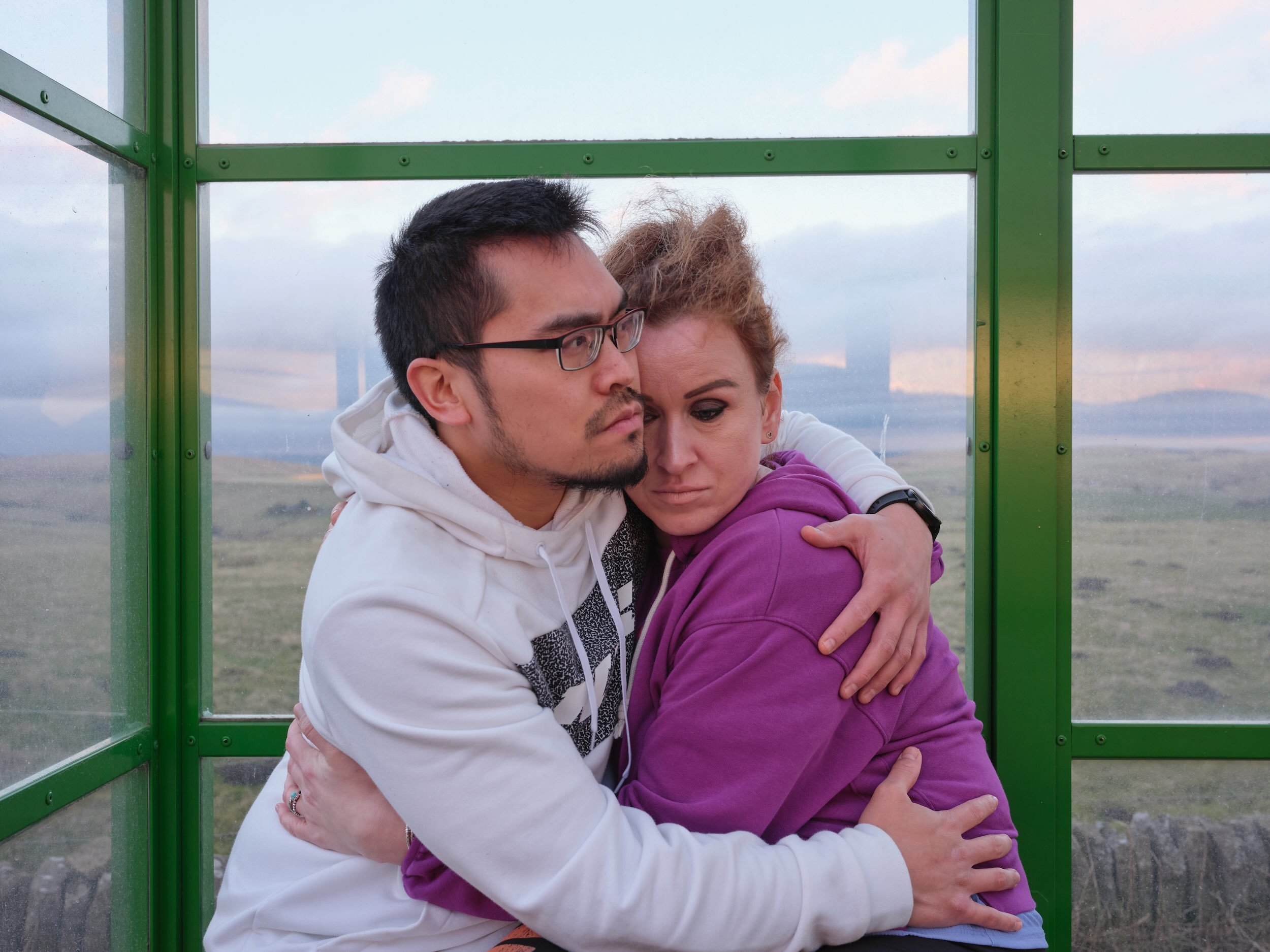
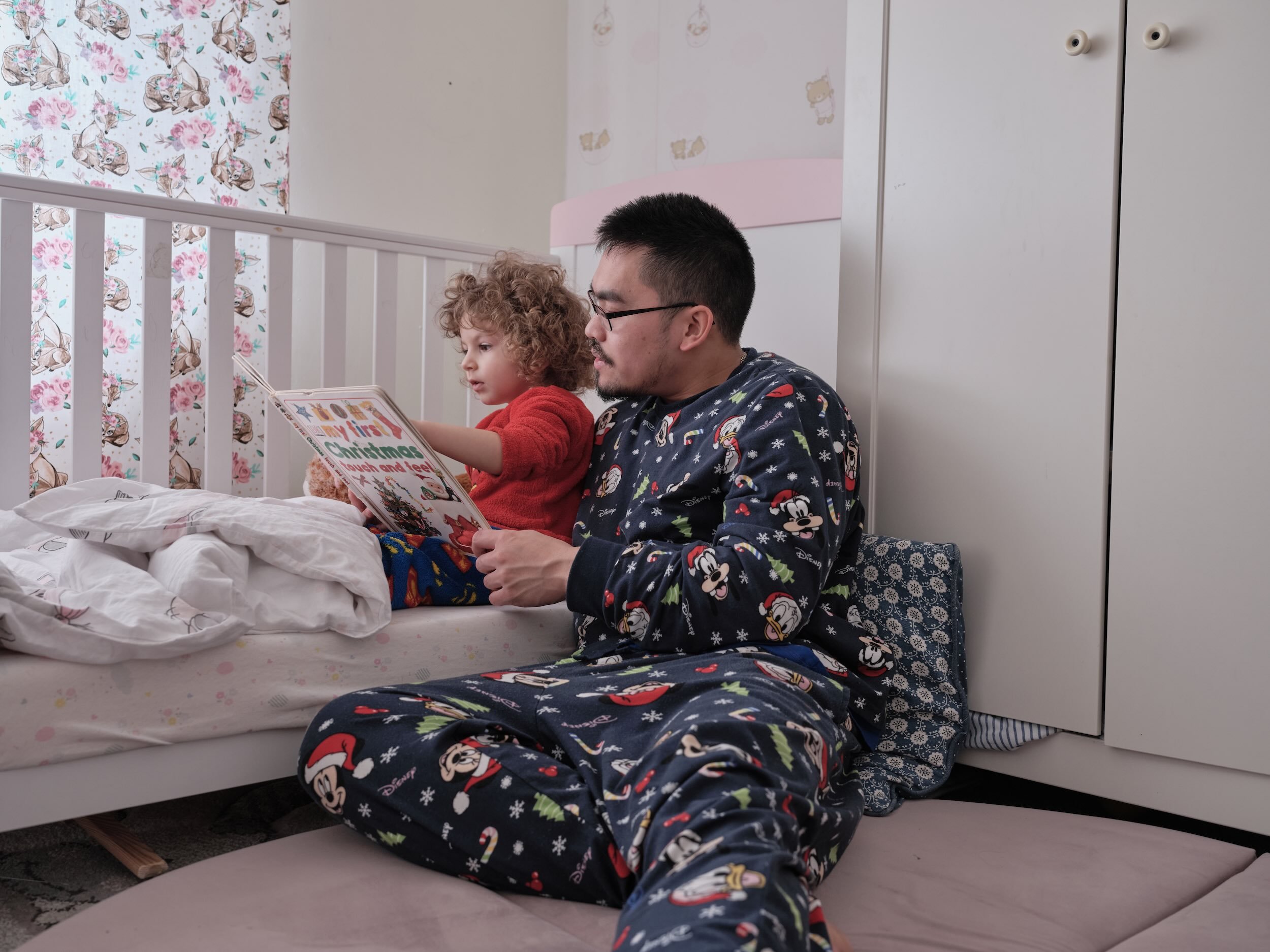
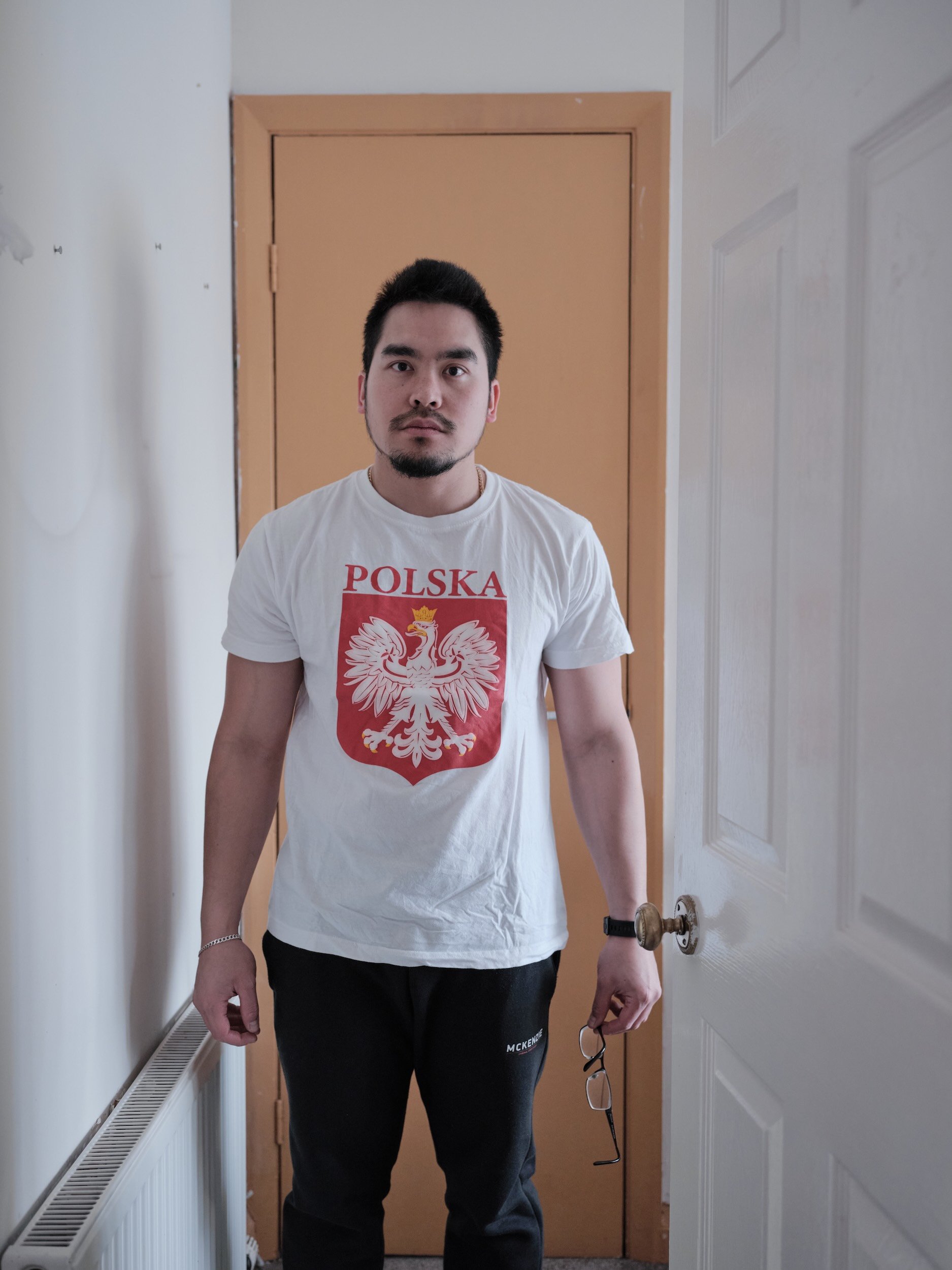
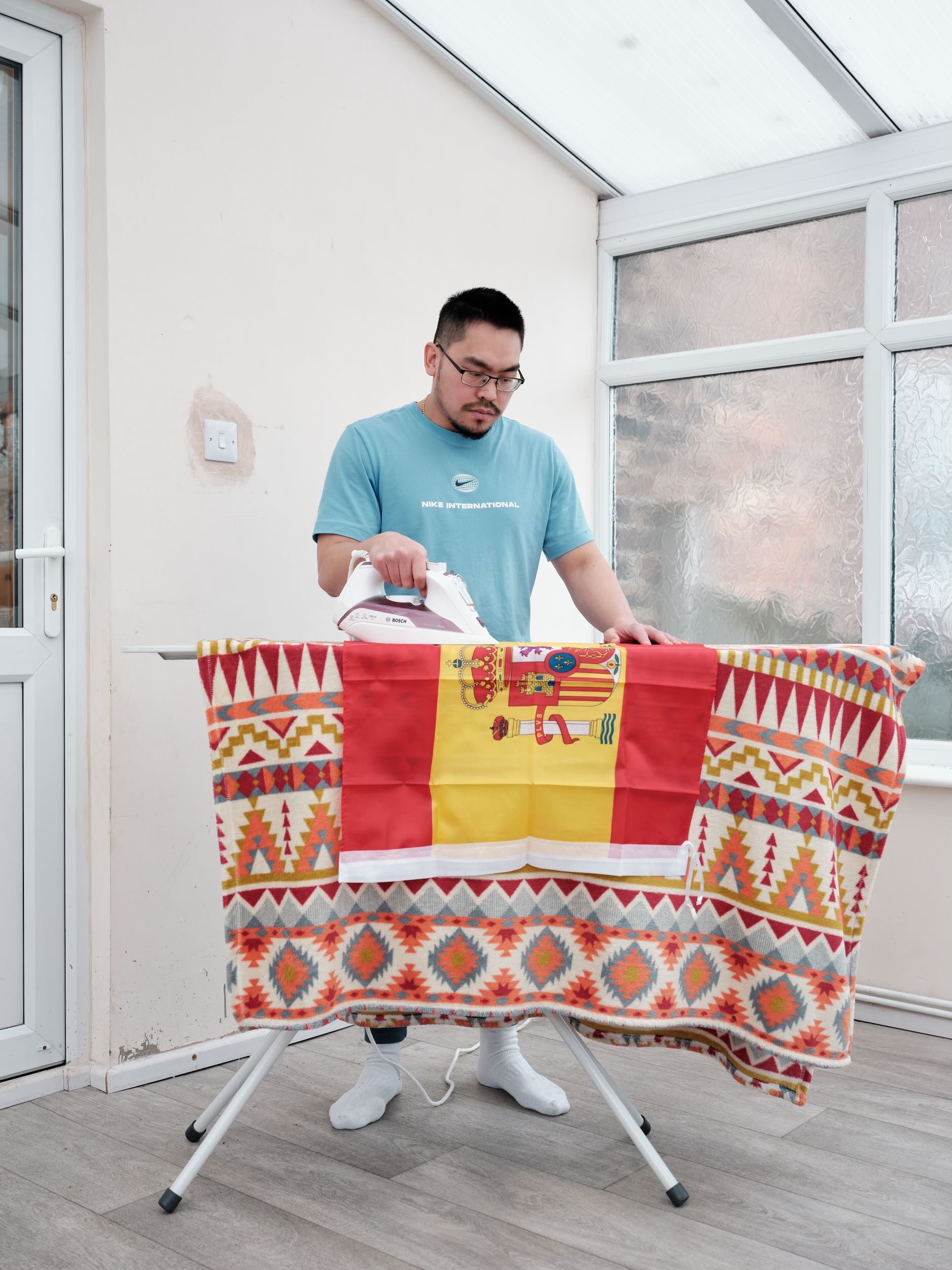
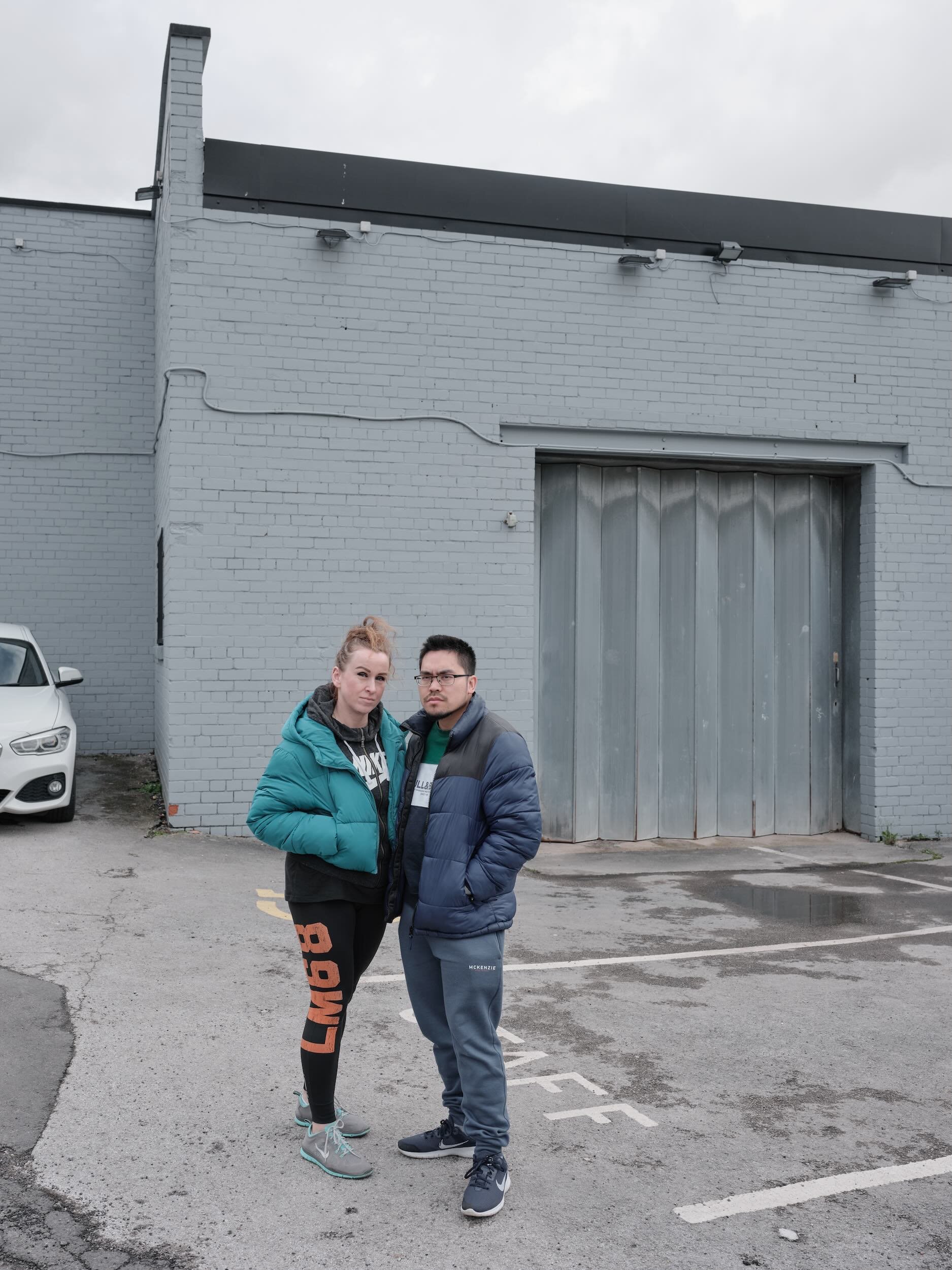
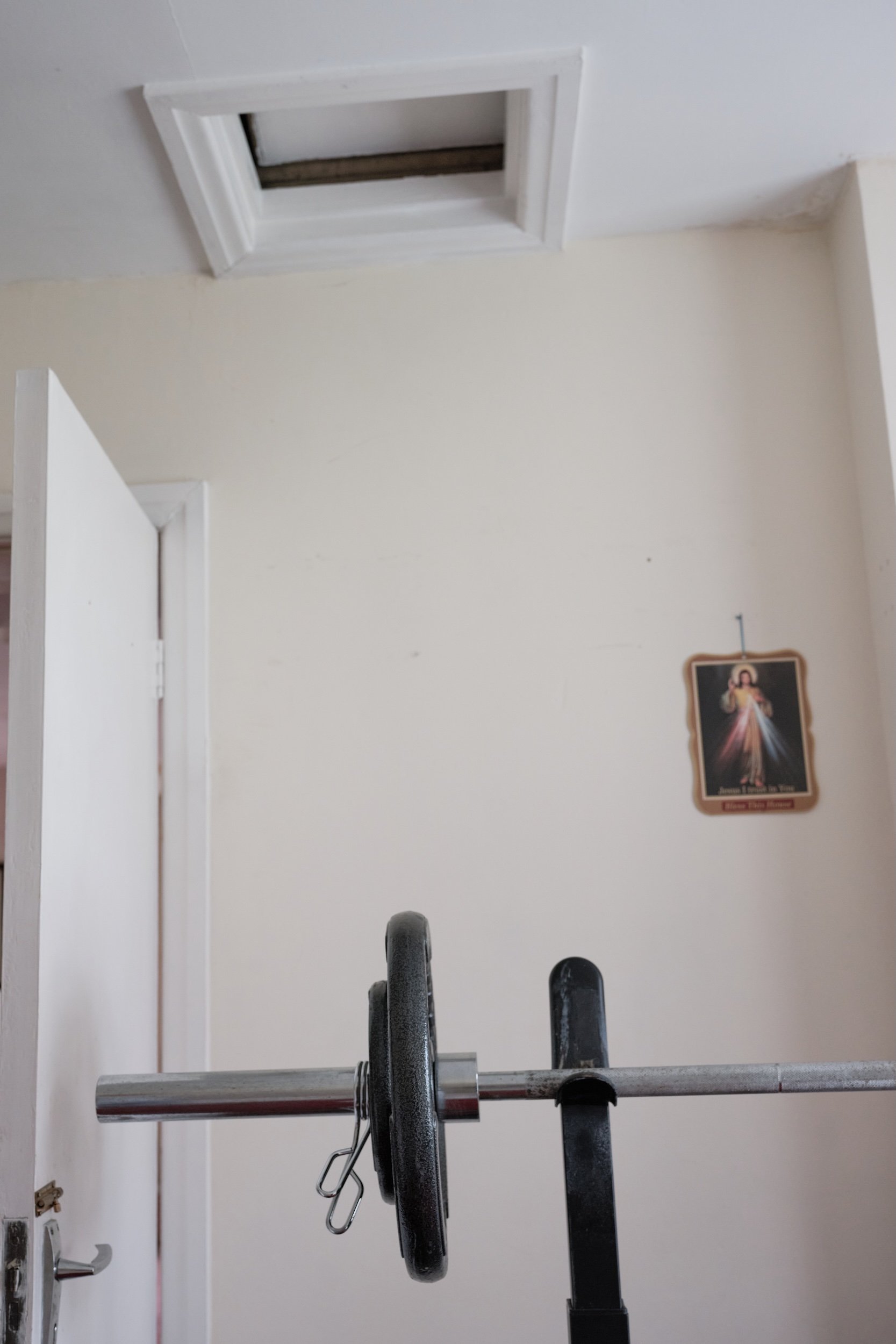
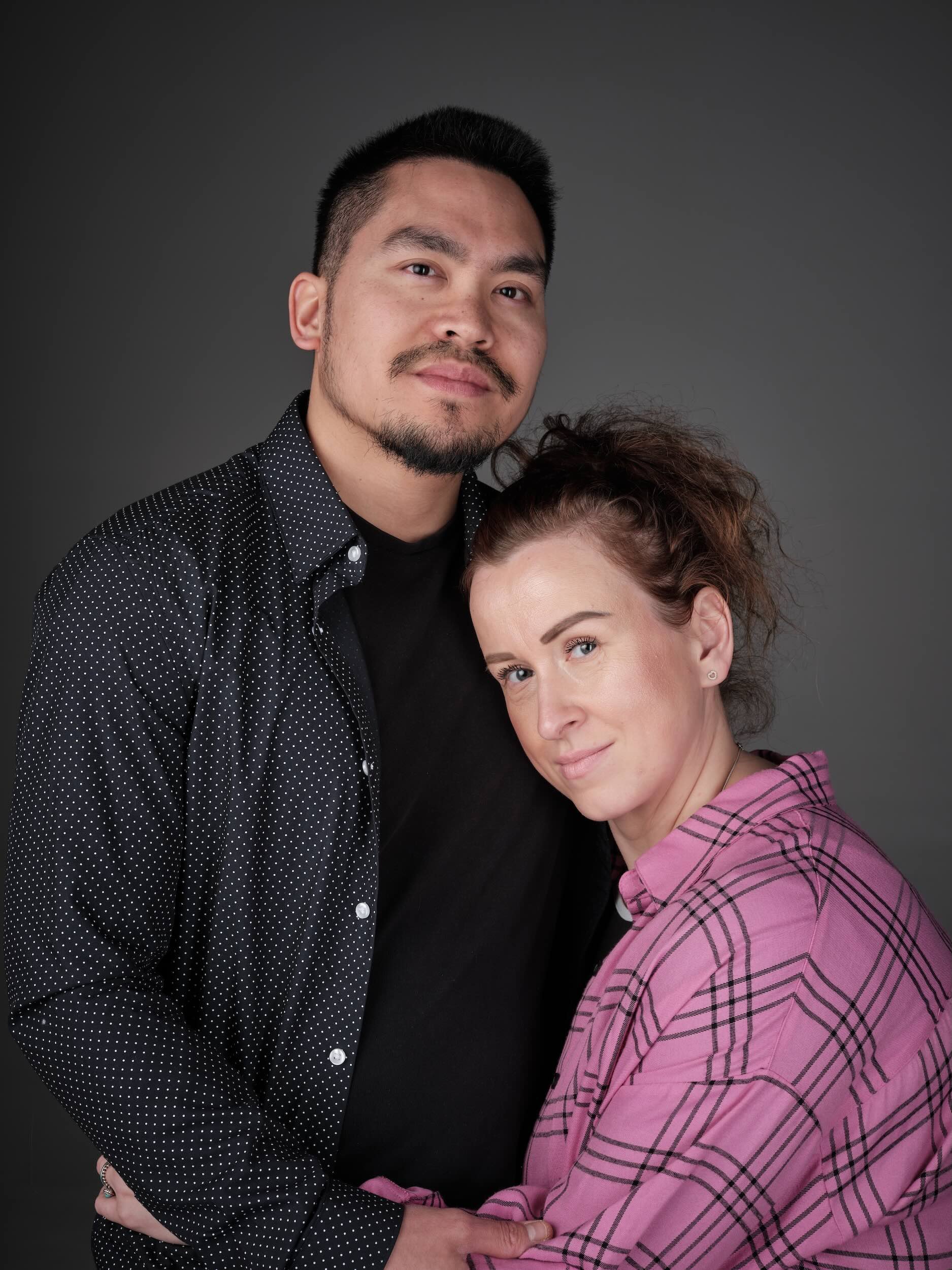
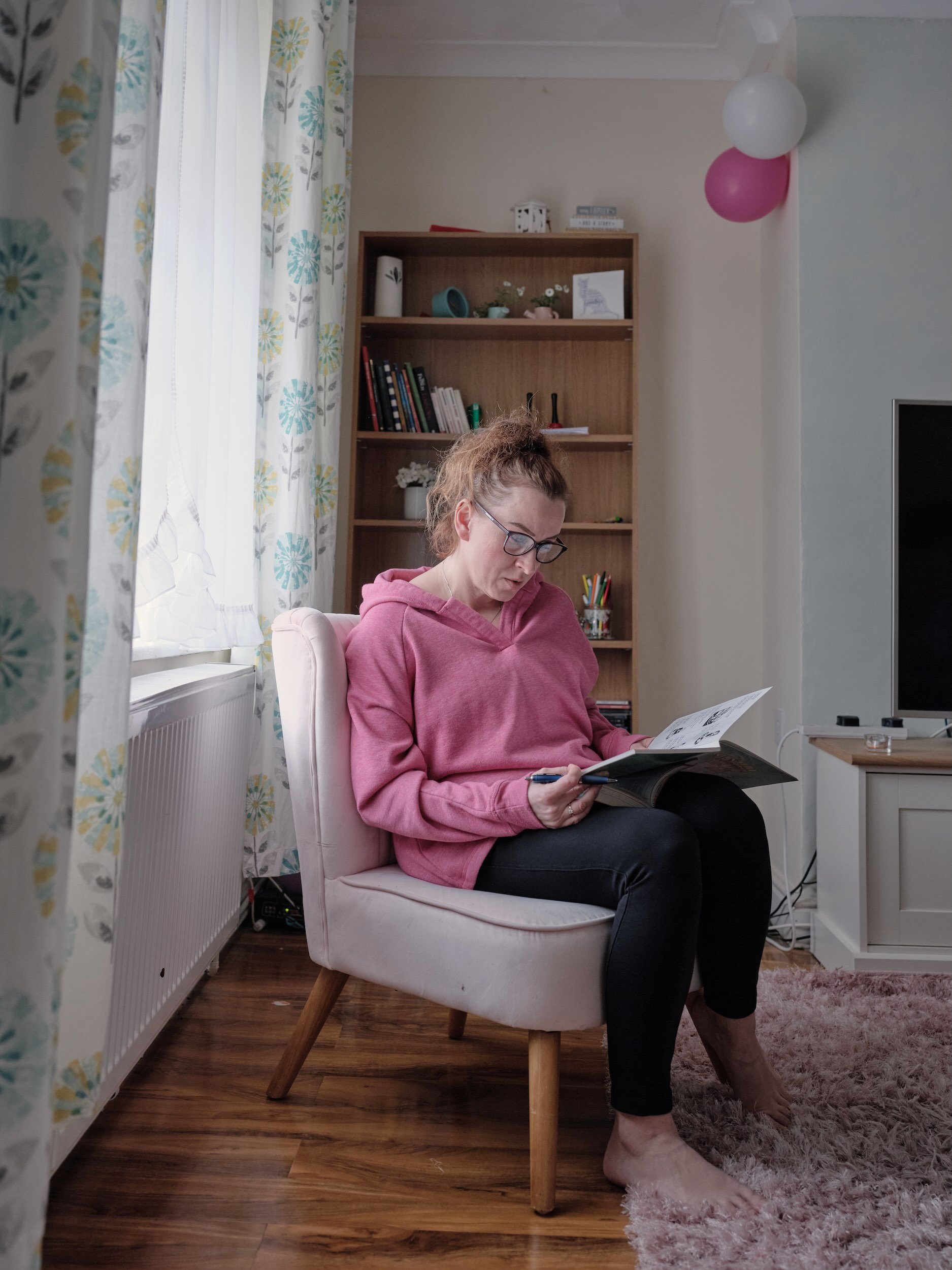
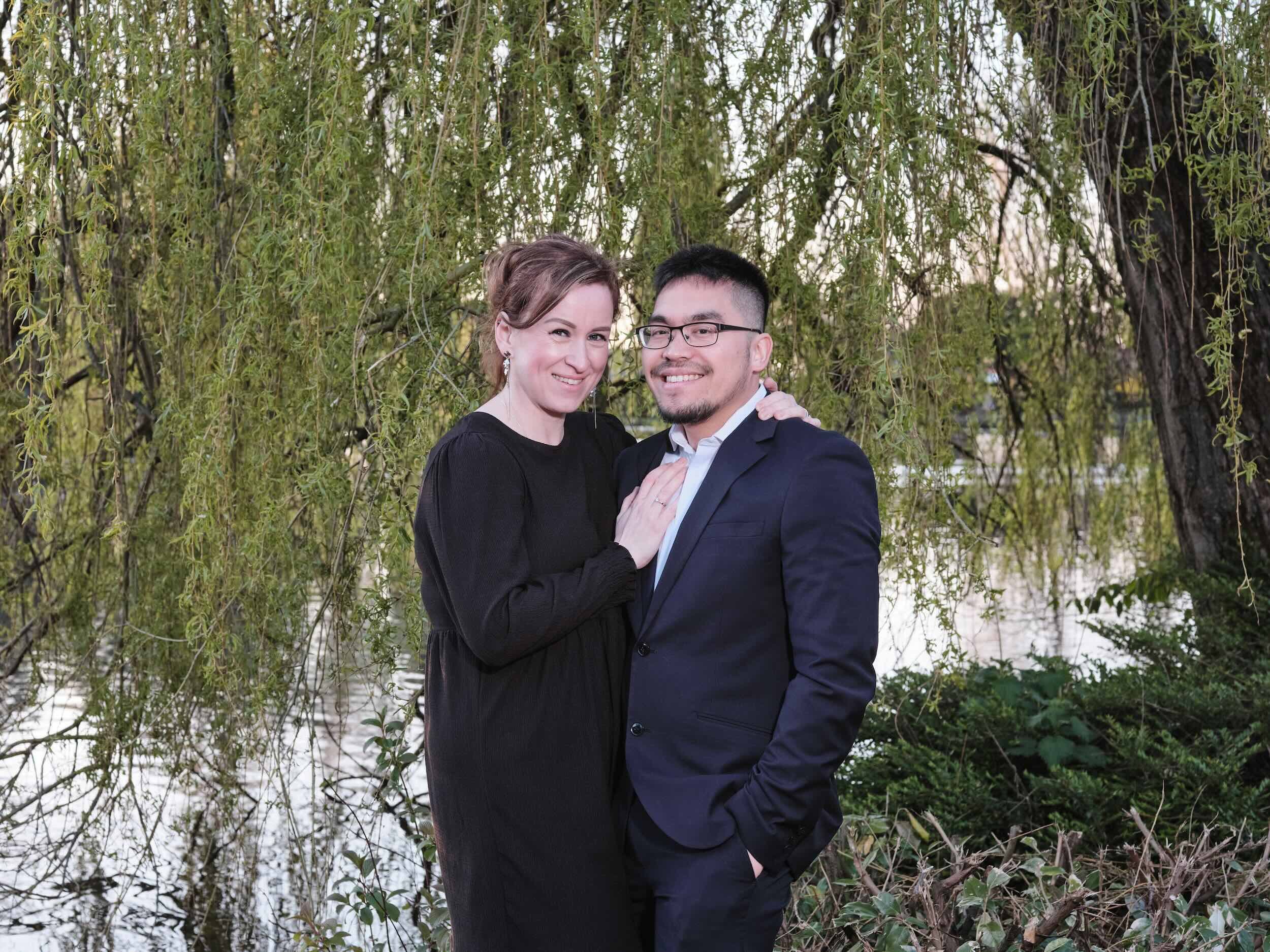
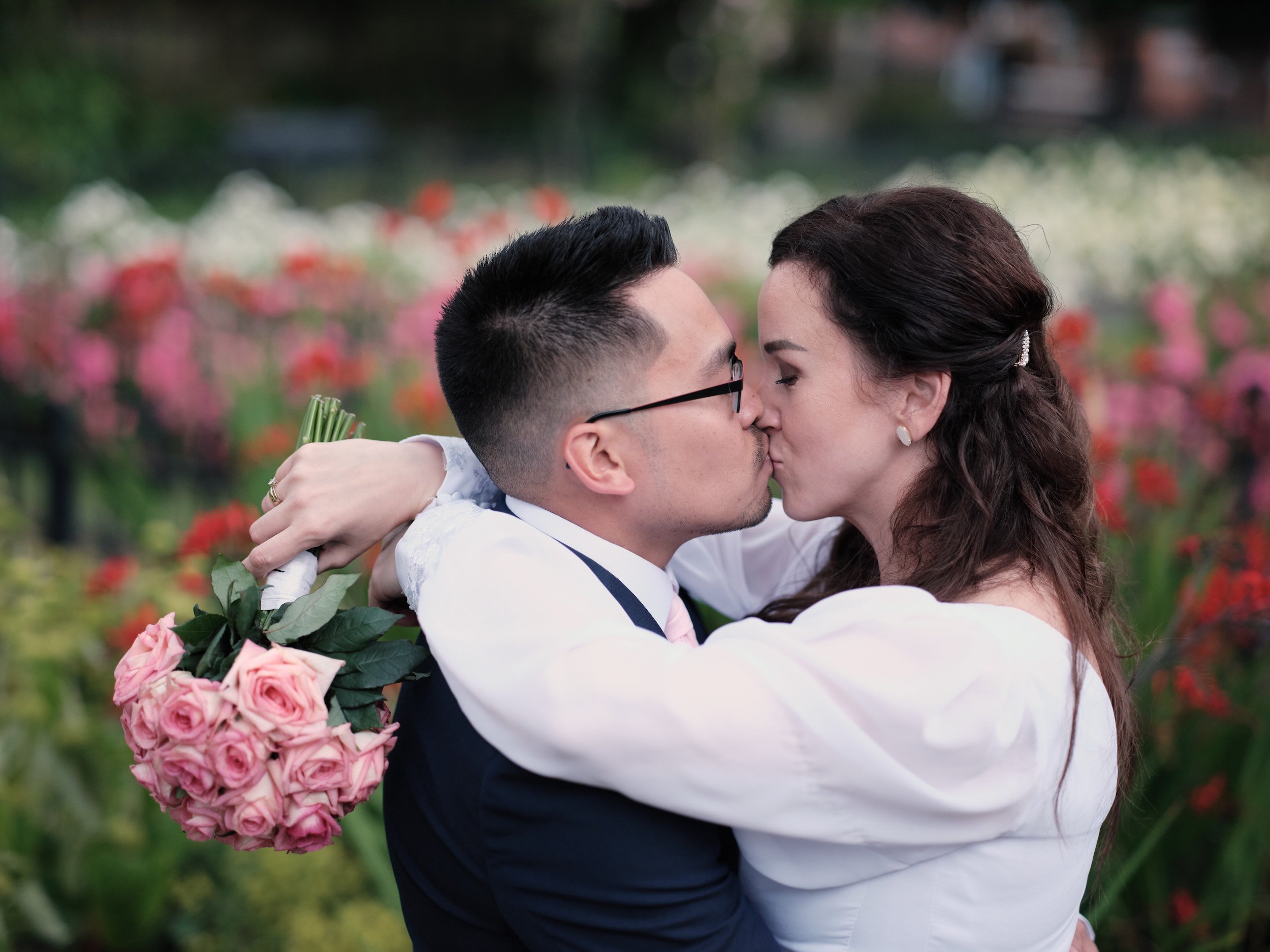
Karolina was born in Poland. Alberto in Spain, though his parents had migrated there from the Philippines. Their daughter, Agnieszka, was born in England, where the family now lives. In their everyday conversation, three languages flow through a single sentence without anyone noticing the seams. Karolina and Alberto are getting married this summer, and she is still unsure who to include on the guest list. Her family is scattered: her mother in Poland, her sister in the United States, and her brother in England, whom she no longer speaks to. She cannot say for certain whether distance caused the rift or the rift caused the distance. They are already selling their furniture. After the wedding, they will move to Santander, Alberto's hometown. In the time she has left, Karolina is learning Spanish.